THE SUPREME COURT DEALS A BLOW TO SOCIAL MEDIA SITE CENSORSHIP
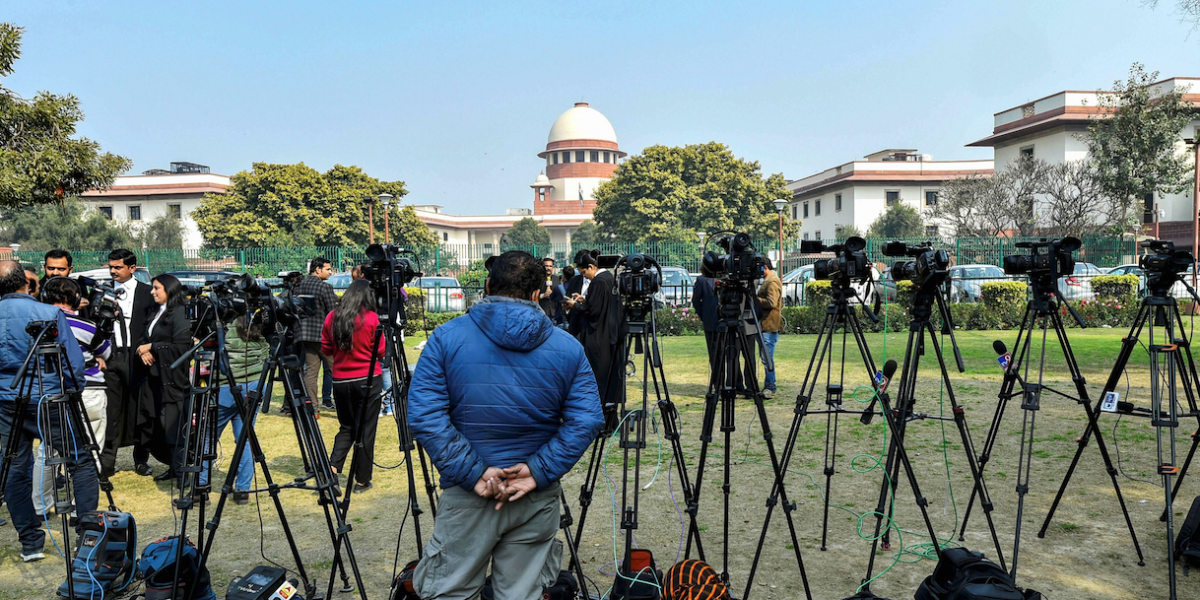
The U.S. Supreme Court ruled on June 18, 2018 that Texas can not obstruct funding to Planned Parenthood clinics while they are being filed a claim against in state court by abortion service providers and also patients, according to the Associated Press (AP). The judgment was provided as part of a decision on an Indiana legislation that prevented entities that offer abortions from receiving state Medicaid financing even if they are lawfully different from abortion service providers or have never executed an abortion. In the Texas instance, known as Jane Doe v.
Background On Area 230
Area 230 of the Communications Modesty Act of 1996 states that No service provider or user of an interactive computer service will be treated as the publisher or audio speaker of any info offered by an additional details web content service provider. Basically, if you are hosting another person's material, you can not be held accountable for it. The regulation secures all internet-based systems-- from Amazon and also YouTube to Twitter And Facebook-- from obligation for web content created by users. This protection has allowed online free speech to flourish since it does not put on the internet middlemans in a position where they have to police speech on their sites, nor does it provide reason to be afraid legal actions from individuals whose ideas they hold.
How This Case Relates To Facebook
Facebook does not wish to be delegated what its individuals publish, yet most of us would agree that Facebook has best control over what is permitted on its system. By suggesting that it's not legitimately in charge of what users say and do on its network, Facebook tries to have it both means. Sadly for them, in today's U.S. High court decision, they can not. The court ruled all in favor of a person who made use of phony accounts in order to bug his ex-wife and her family on Facebook; he likewise posted phony advertisements supplying sex with woman of the streets, which evidently is not permitted on Facebook according to their terms of solution arrangement.
Justice Alito's Problems
A similar law passed in Minnesota was struck down by a state judge earlier in August. While it's prematurely to state if any more regulations will certainly be halted, legal experts are calling it most likely that states will certainly quit going after comparable regulation up until there is further guidance from courts on just how existing First Amendment protections should put on these brand-new devices of communication. The High court has asked 2 government allures courts for guidance, yet those choices won't come out for several months. Regardless, anticipate courts to at some point decide on some kind of criterion-- and also don't be stunned if lawmakers attempt (or attempt again) to pass similarly-minded expenses as precedent is established.
What Does This Mean For Various Other Regulations?
First Amendment supporters are celebrating, but it's worth noting that with over half of states obstructing cities from enacting their very own legislations, there might still be lawful fights in advance. In fact, just last month, New york city passed similar regulation targeted at social media firms. This is most likely mosting likely to wind up in front of SCOTUS once again. It will certainly interest see if they proceed ruling like they did today as well as strike down these laws or make it easier for states to enforce them in specific locations.
New Efforts In Congress
We've been right here before. As long as there have actually been media-- as long as we have actually had a court of law that's influenced public discussion-- there have been initiatives to reduce media at every turn. The American Revolution was fueled in part by an effort by English authorities to control early american newspapers and also avoid revolutionary declarations from showing up in print. We resisted versus these plans during our defend self-reliance, however it wasn't up until 1798 that we established our first freedom of speech warranties in federal legislation-- and those defenses came with their very own checklist of exceptions. Those provisions were further fine-tuned in succeeding years, most especially with judgments handed down by Supreme Court Justice Oliver Wendell Holmes.
What Should The Government Do Next?
The court's decision makes it clear that social networks websites can not be held responsible for individual web content. However should they do even more to police their systems? In many cases, yes. Twitter and facebook both blocked or suspended accounts that posted terrorist publicity online in 2018. The two business likewise agreed in 2015 to remove hate speech within 24 hr of its posting on their platforms. Permitting such product online only fans racist belief and also can cause real-world physical violence, at least according to scientists from Stanford College, that published a study in 2016 showing relationships in between inhuman posts on Facebook as well as anti-refugee violence in Germany.


Comments
Post a Comment